Know your story
In today’s world, ignorance can be expensive. Don’t let others own your story. Invest time in knowing where you are from. Forget whether you are religious or secular, observant or an atheist. Confidence comes from knowledge.
Animations
Worth a watch: educational animations from the Rabbi Sacks Legacy Trust.
Helpful Resources
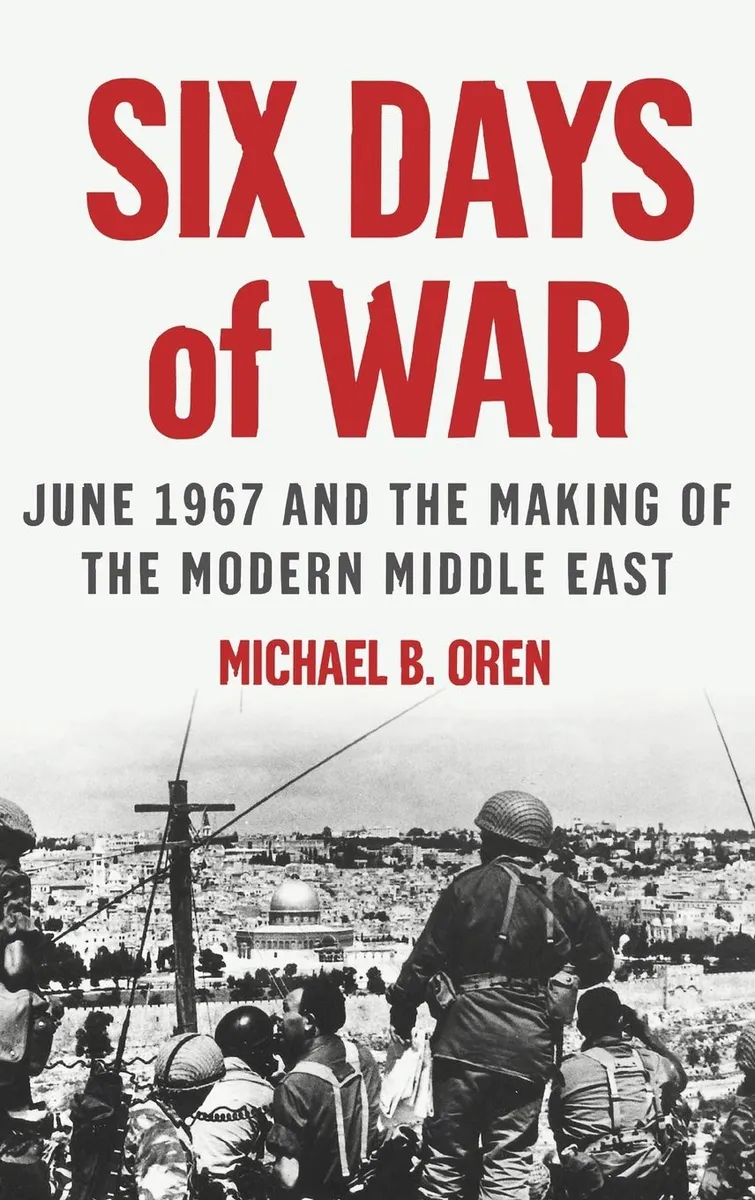
Six Days of War: June 1967 and the Making of the Modern Middle East
In Six Days of War, Michael Oren recounts the dramatic 1967 conflict that secured Israel’s survival and reshaped the Middle East, with consequences that continue to influence the region today. Drawing on newly available primary sources, he uncovers fresh insights into the war’s military, political and diplomatic history, including several near-catastrophic events that remained hidden for decades.
Start-Up Nation: The Story of Israel's Economic Miracle
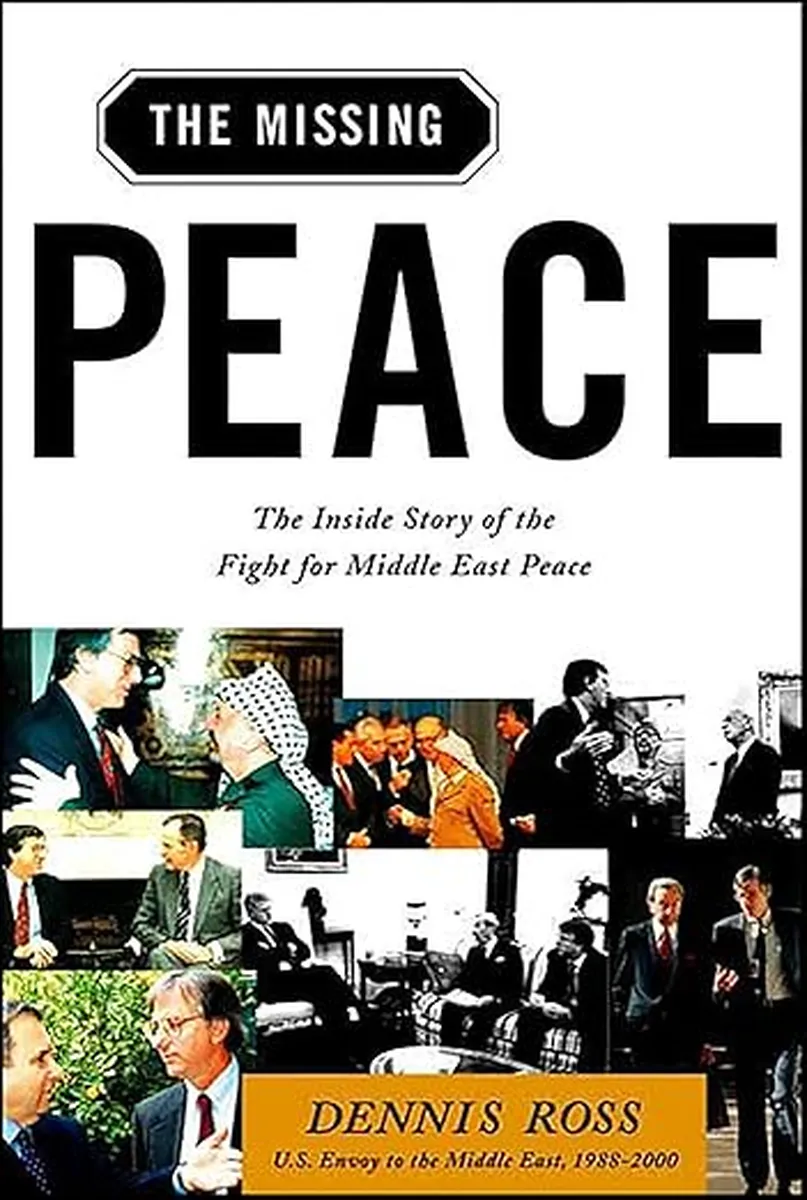
The Missing Peace: The Inside Story of the Fight for Middle East Peace
The Missing Peace is Dennis Ross’s candid insider account of the Middle East peace process from 1988 to the collapse of negotiations in 2001. Drawing on his experience as a chief US peace negotiator, Ross takes readers behind the scenes of pivotal events and negotiations, examining the personalities, decisions and political pressures that shaped the process and why lasting peace proved so elusive.
The Zionist Ideas: Visions for the Jewish Homeland―Then, Now, Tomorrow (JPS Anthologies of Jewish Thought)
Israel: A Simple Guide to the Most Misunderstood Country on Earth
Israel: A Simple Guide to the Most Misunderstood Country on Earth offers an accessible chronological account of Israel’s history, from Biblical times to the present day. Combining historical context with personal stories, Noa Tishby explores the country’s creation, culture and continuing political disputes while addressing common misconceptions and providing context for many of the controversies surrounding modern Israel.
My Promised Land: The Triumph and Tragedy of Israel
My Promised Land is Ari Shavit’s deeply personal exploration of Israel’s history, identity and the development of Zionism. Drawing on historical sources, interviews and his own family story, Shavit examines the ideals, conflicts and contradictions that have shaped the country, using pivotal events from its past to explore the challenges facing Israel and questions about its future.
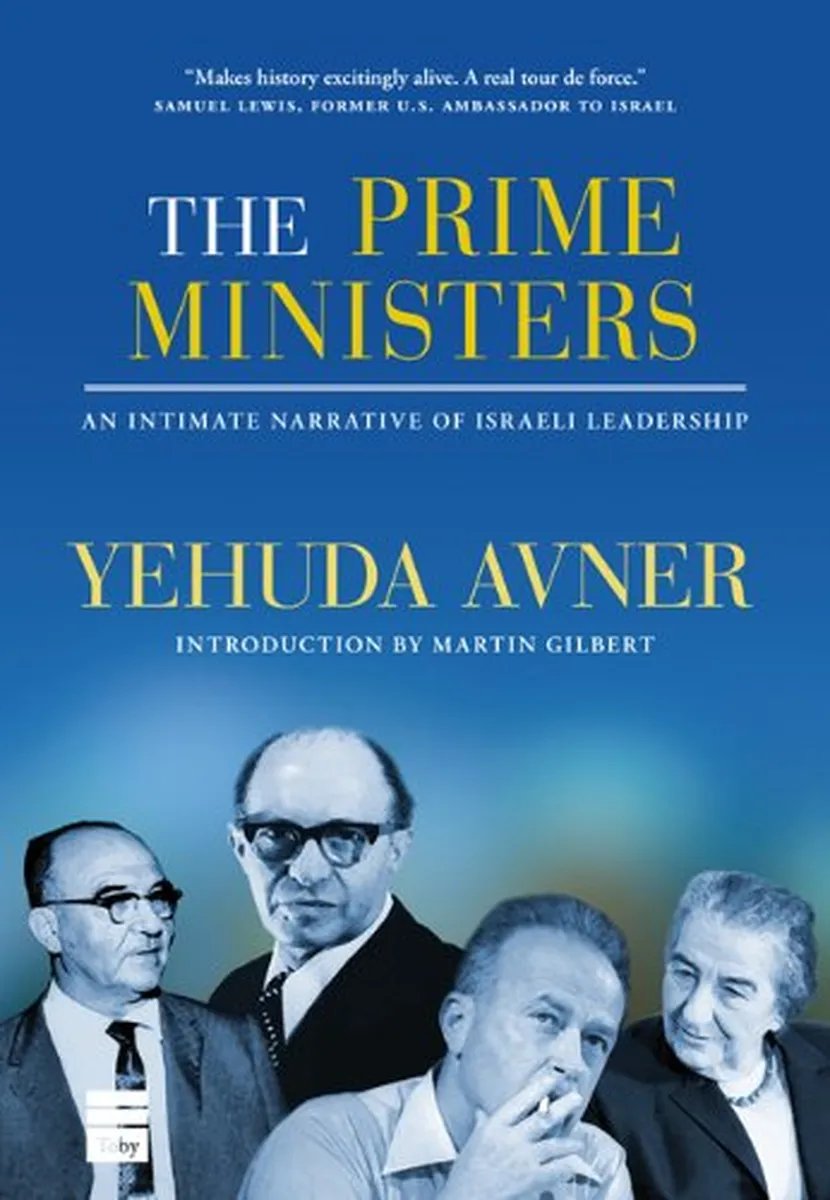
The Prime Ministers
The Prime Ministers is Yehuda Avner’s insider account of Israeli politics and diplomacy, drawing on his experience advising four Israeli prime ministers. Through first-hand accounts of pivotal military operations, peace negotiations and political decisions, Avner offers a revealing portrait of Israel’s leaders and the personalities, rivalries and events that shaped the country’s history.

Defending Identity: Its Indispensable Role in Protecting Democracy
Defending Identity explores the relationship between democracy, national identity and political freedom in the modern world. Drawing on his experience as a Soviet dissident, Natan Sharansky argues that strong national, religious or cultural identities can reinforce democratic societies, challenging the idea that abandoning such identities is necessary for tolerance and political stability.

How to Fight Anti-Semitism
How to Fight Anti-Semitism examines the resurgence of antisemitism in the United States and Europe and the political and cultural forces contributing to its spread. Drawing on history and contemporary events, Bari Weiss explores how antisemitism manifests across the political spectrum and argues for the importance of confronting it through a renewed commitment to Jewish and liberal democratic values.
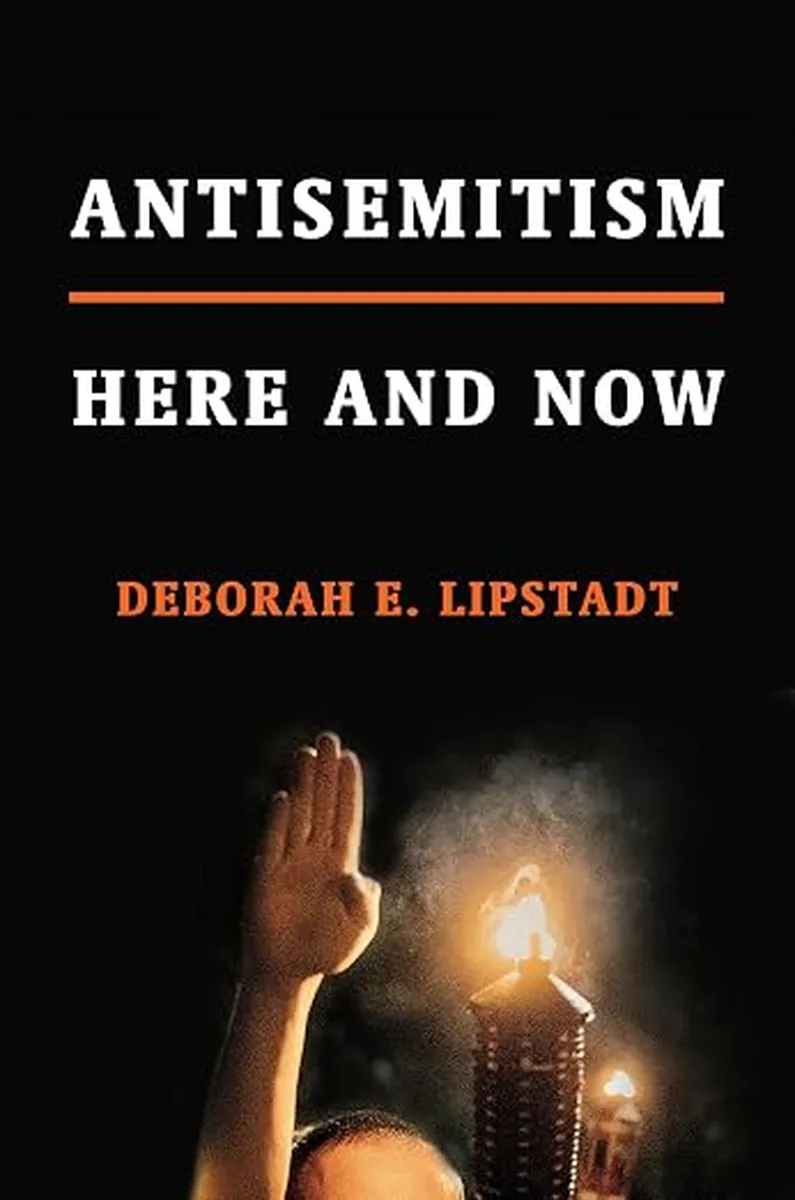
Antisemitism: Here and Now
Antisemitism: Here and Now examines the resurgence of antisemitism and its contemporary manifestations across the political right and left. Written as a series of letters, Deborah Lipstadt explores the relationship between antisemitism and anti-Zionism, considers its growth in the United States and Europe, and addresses difficult questions about how this enduring form of hatred can be recognised and challenged.
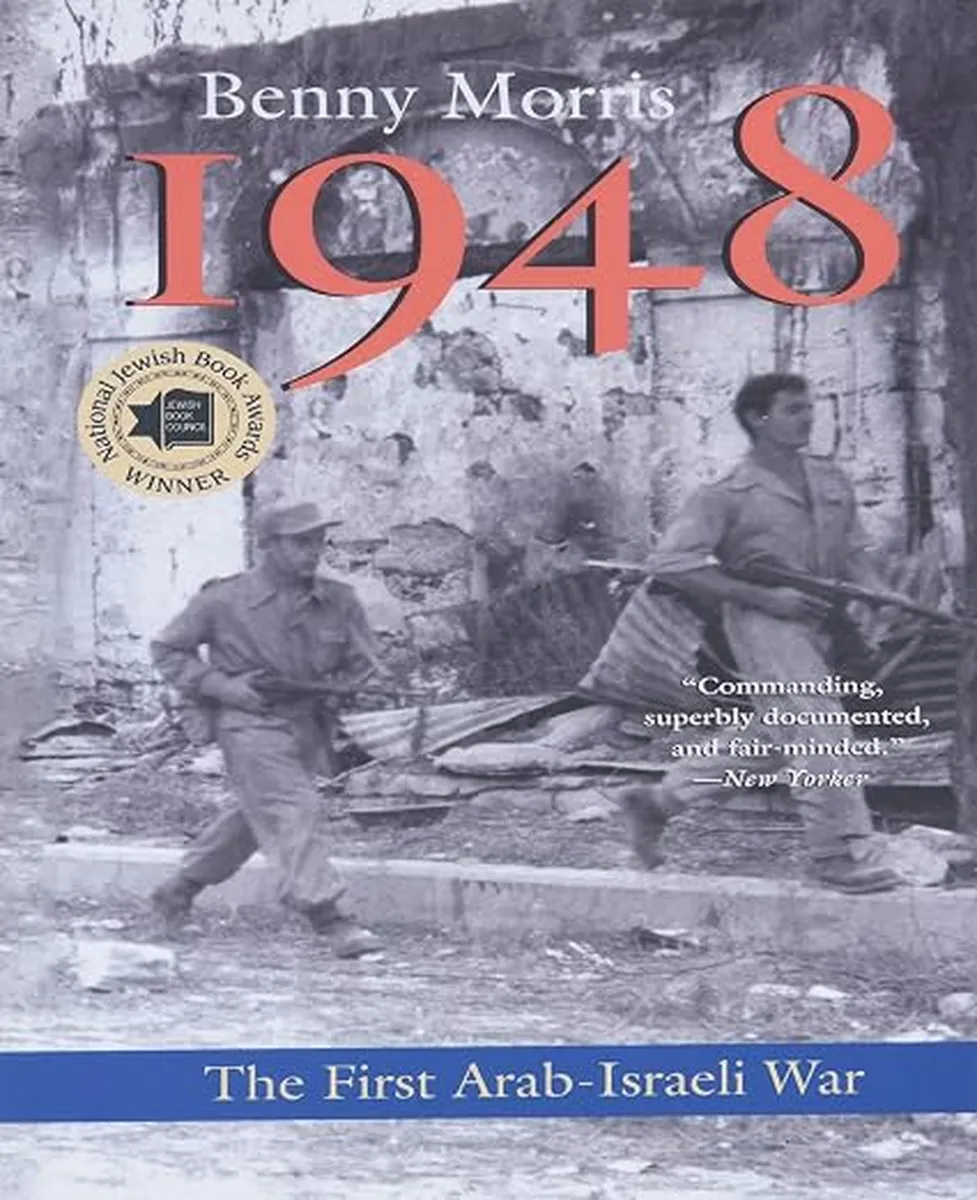
1948: A History of the First Arab-Israeli War
1948: A History of the First Arab-Israeli War provides a detailed account of the conflict that accompanied the creation of the State of Israel. Drawing on extensive Israeli and Western archival material, Benny Morris examines the war’s military and political dimensions, the motivations of its protagonists, the emergence of the Palestinian refugee crisis and the role of the major international powers in shaping the conflict.
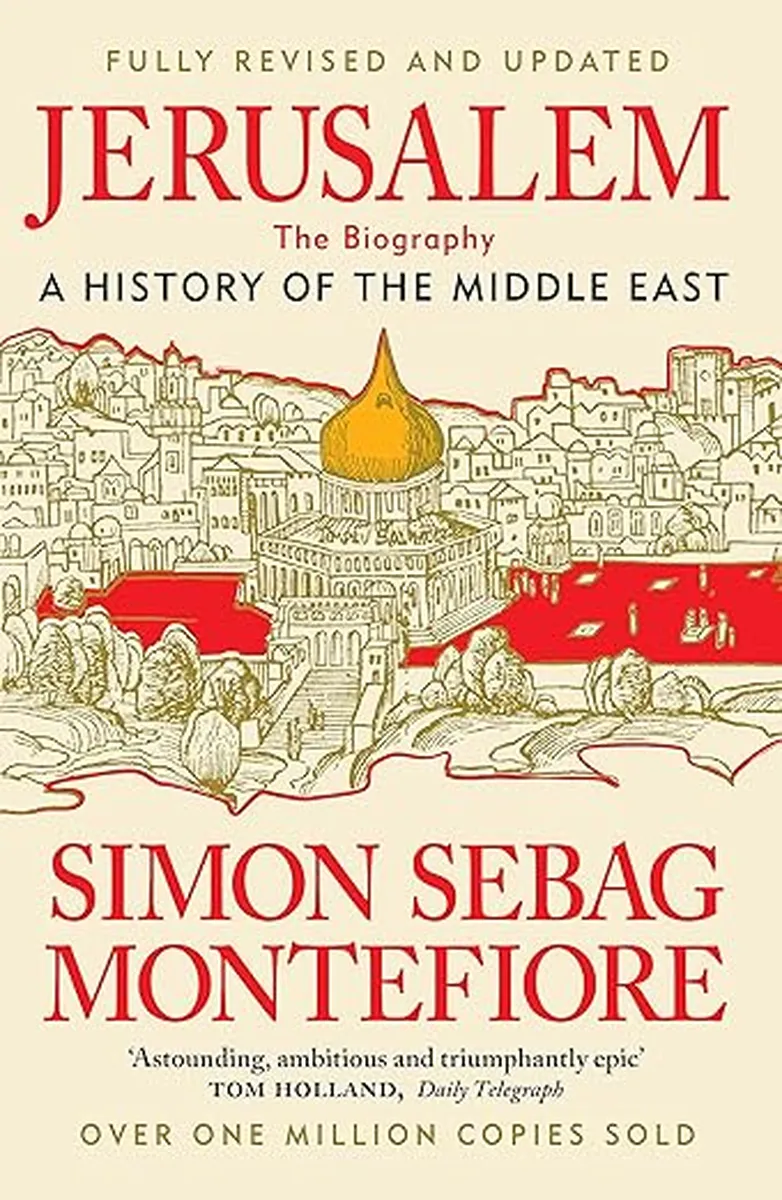
Jerusalem: The Biography - New and Updated 2024 edition
Jerusalem: The Biography traces 3,000 years of history through one of the world’s most contested and significant cities. Simon Sebag Montefiore explores the rulers, religions, conflicts and cultures that have shaped Jerusalem and the Holy Land, connecting their ancient history with the emergence of Judaism, Christianity and Islam and the political struggles of the modern Middle East.
Righteous Victims: A History of the Zionist-Arab Conflict, 1881-2001

Woke Antisemitism: How a Progressive Ideology Harms Jews
Woke Antisemitism examines David L. Bernstein’s argument that contemporary progressive ideology has contributed to new forms of antisemitism and increasingly restricted open debate. Drawing on his experience in Jewish advocacy, Bernstein explores concepts such as privilege, equity and the oppressor-oppressed framework, their impact on perceptions of Jews and Israel, and proposes a renewed emphasis on liberal values and political moderation.
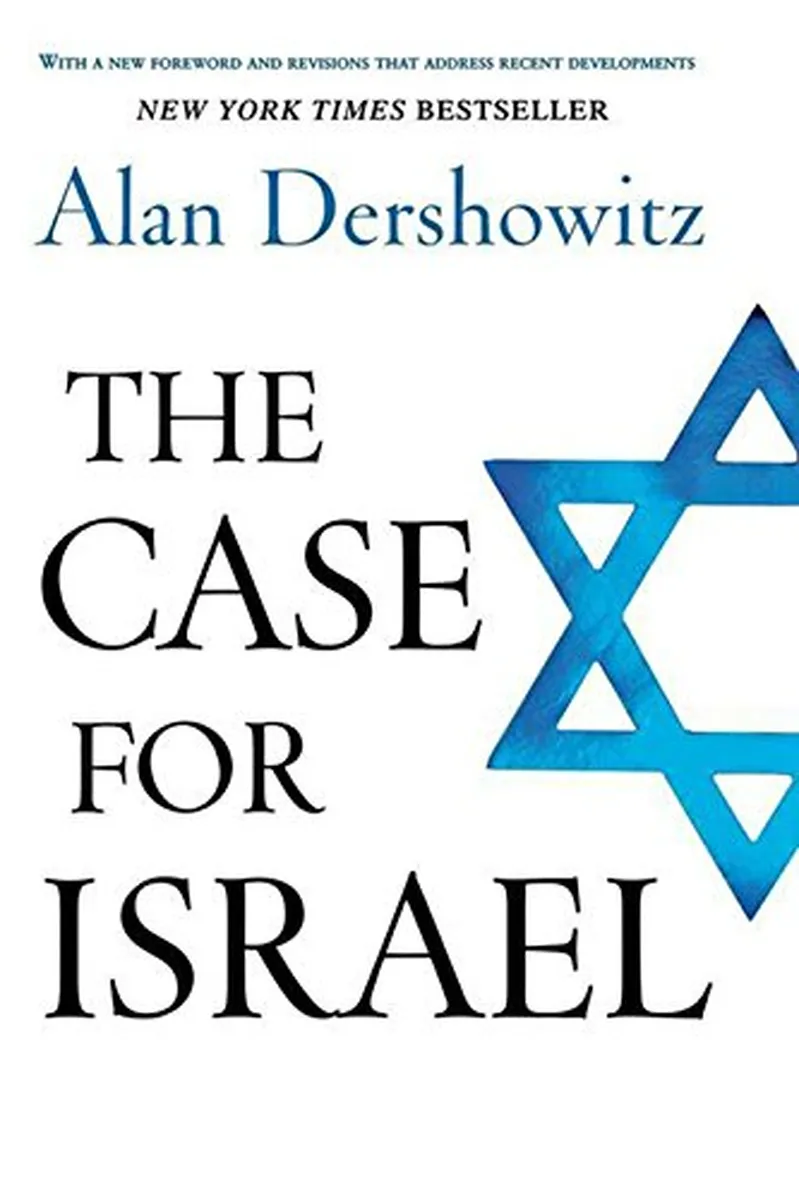
The Case for Israel
The Case for Israel presents Alan Dershowitz’s defence of Israel and examines many of the arguments made by its critics. Drawing on historical, political and legal evidence, he challenges accusations concerning Israel’s actions and legitimacy while making the case for its rights, policies and place within the international community.